Filler Blindness Is Real
Understanding the Psychology Behind Overfilled Faces - Post by our Godley Clinic Patient Educator
One of the most fascinating concepts I've come across working in aesthetics is something called filler blindness. Filler blindness is the idea that when changes happen gradually, they become harder for us to see. I see this all the time outside of aesthetics. We don't notice our kids getting taller because we see them every day. The changes are happening, but they're so gradual that our brains adapt to them.
The same thing can happen with filler.
A little filler here. A touch up there. Each treatment may look natural on its own. But when subtle changes are repeated over many years, it can become difficult to recognize when enough has become too much.
That's filler blindness.
Why Do So Many Faces Start Looking Alike?
To be honest, I don’t actually think overfilled faces look bad. The problem is that they often start looking similar. Part of this comes from trends. Certain facial features become desirable, and people understandably want to achieve them. But when everyone is pursuing the same ideal, faces can begin to lose some of their individuality.
I think filler blindness can show up here in a different way. When we're bombarded by the same beauty standards, it becomes easy to focus on the features we wish we had rather than the features that give our face character. Fuller lips. Higher cheeks. A sharper jawline. None of these features are inherently better, and they don't suit every face equally.
At some point, the goal can shift from enhancing your own features to pursuing someone else's version of beauty.
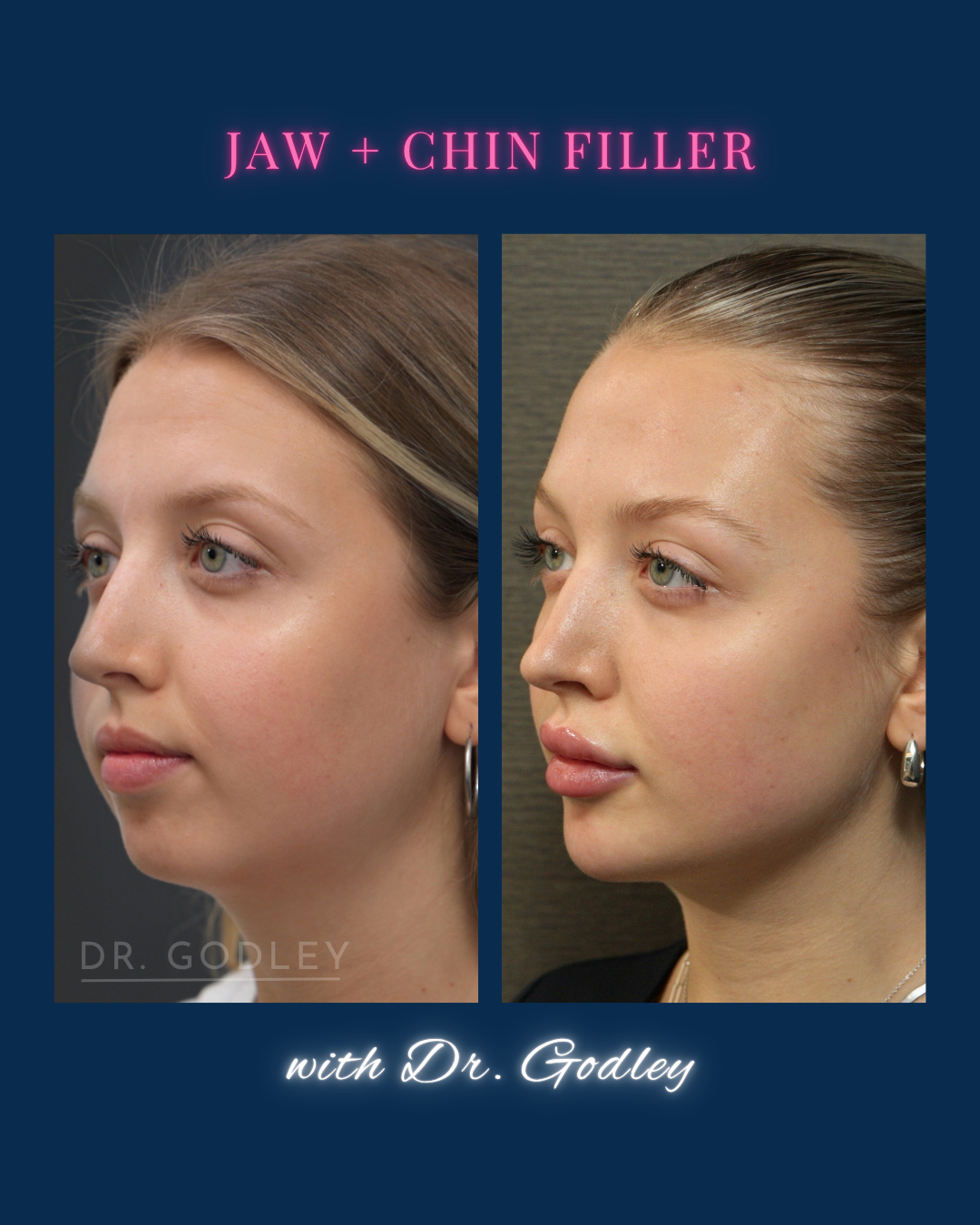
How We Try to Avoid Filler Blindness at Godley Clinic

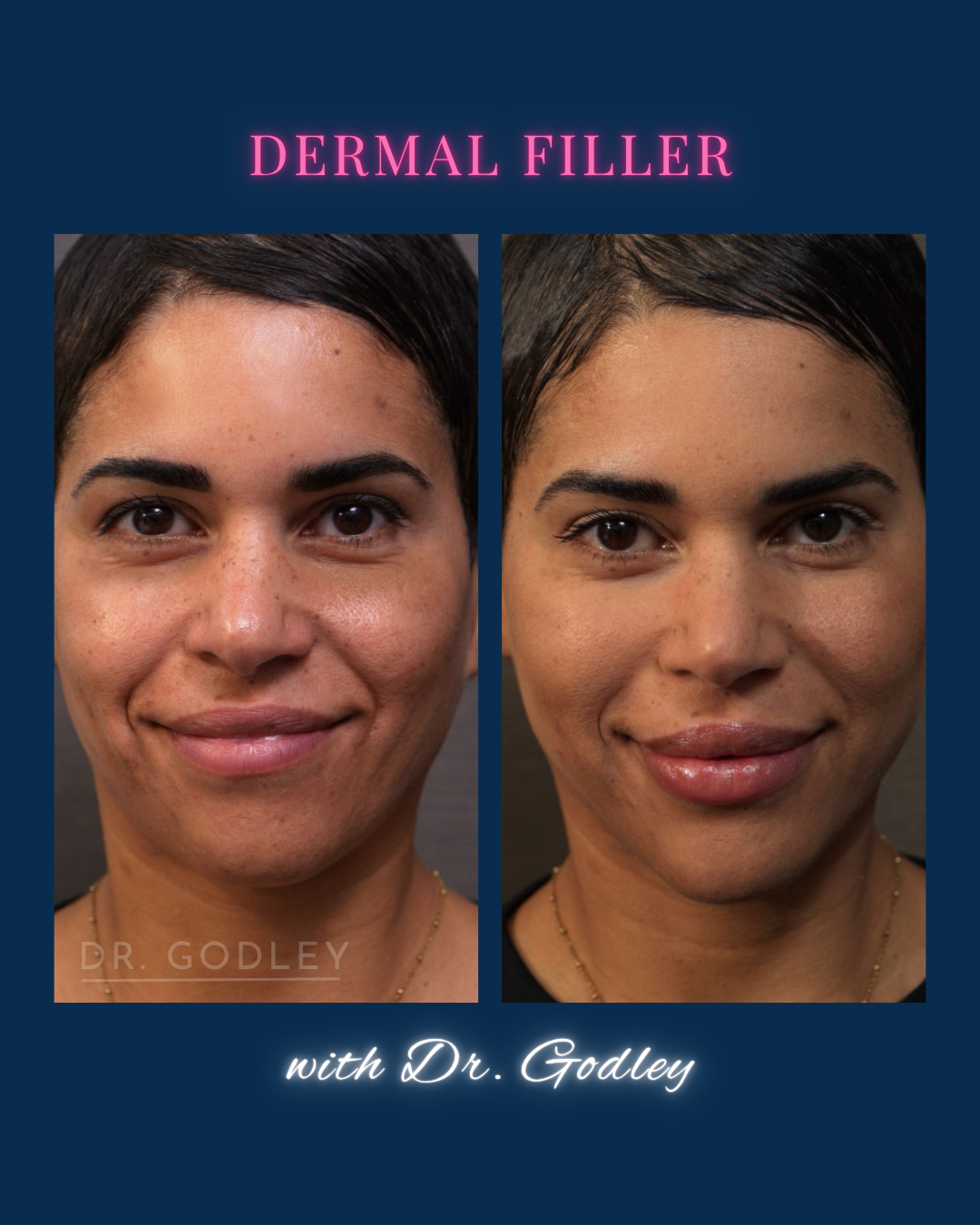
One of the ways Dr. Godley helps patients avoid filler blindness is by continually stepping back and looking at the bigger picture.
At each appointment, the focus isn't just on what a patient wants to improve that day. It's whether the treatment still aligns with their original goals and the overall balance of the face.
It's also one of the reasons Dr. Godley places such a strong emphasis on regenerative treatments. Rather than only adding volume, treatments such as PRF, Radiesse, Sculptra, thread lift, and skin rejuvenation are often used to support tissue health, collagen production, and facial support.
Filler still has an important role. But sometimes the best decision is not adding more filler at all.
Three Tips for Avoiding Filler Blindness
Create a mood board of yourself. Collect images where you genuinely love how you look and take note of the features that make you feel attractive. Those are often the features worth preserving.
Understand your influences. Social media can be a great source of inspiration, but it can also shape our idea of what looks attractive. Before pursuing a treatment, ask yourself whether it aligns with your goals or whether you're being influenced by a beauty trend.
Keep a photo timeline. Save a few unfiltered photos of yourself each year in consistent lighting and angles. Looking back over several years can help you see changes more objectively than relying on memory alone.
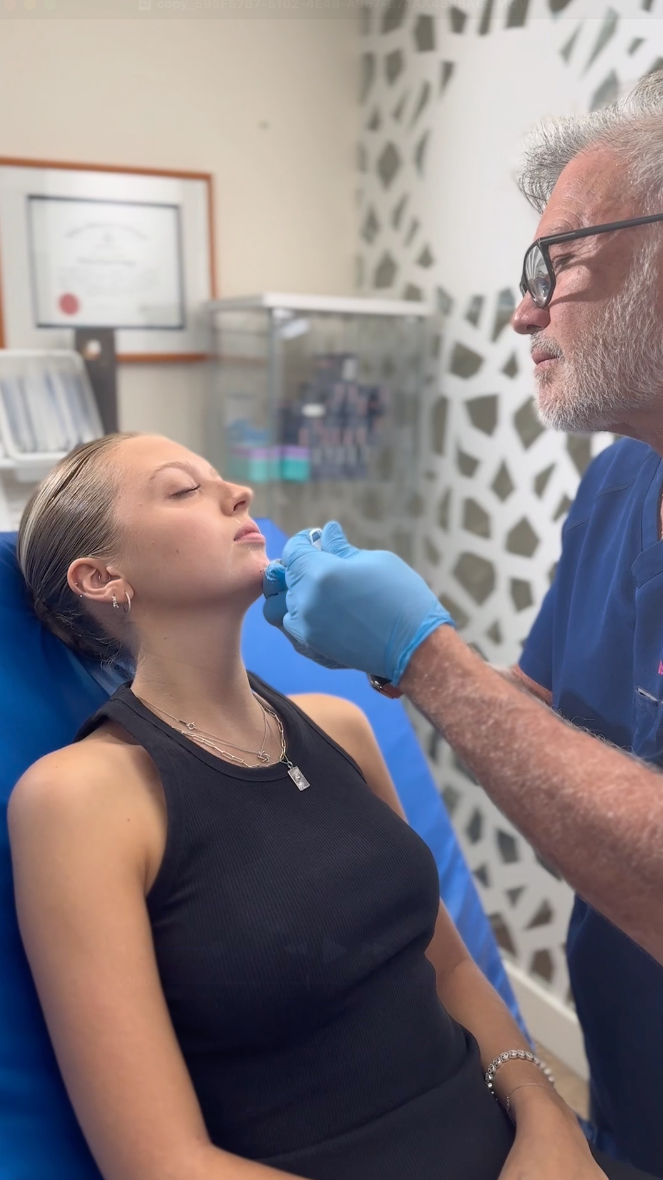
Book a consultation with Dr. Godley in Vancouver or Abbotsford B.C.
Filler blindness is fascinating because it reminds us that our perception isn't always objective.
That's one of the reasons I appreciate Dr. Godley's approach. Every treatment is viewed within the context of a long term plan, with a focus on preserving facial balance and supporting tissue health rather than simply adding more volume.
If you're considering filler or wondering whether your current treatment plan still aligns with your goals, book a consultation with Dr. Godley.
Frequently Asked Questions About Filler
How do I know if I've had too much filler?
One of the challenges with filler blindness is that it can be difficult to recognize in yourself. Signs may include increasing puffiness, or features that seem out of proportion with the rest of the face. Friends and family can sometimes provide a more objective perspective. If people are frequently commenting on changes to your appearance, whether positive or negative, it may be a sign that the changes have become quite noticeable.
Can filler make you look older?
It can. When volume is added without considering skin quality, facial support, and overall balance, the face can sometimes appear heavier rather than more youthful.
Can filler be dissolved?
Yes, most hyaluronic acid fillers can be dissolved using an enzyme called hyaluronidase. This can be helpful for patients who feel they have accumulated too much filler over time or want to restore a more natural appearance.
Is filler permanent?
No. Most fillers used today are temporary and gradually break down over time. How long they last depends on the product used, the treatment area, and the individual.
Are biostimulators better than filler?
Not necessarily. Fillers and biostimulators serve different purposes. Fillers are often used when immediate volume is needed, while biostimulators are used to support collagen production and tissue quality over time. Many treatment plans use a combination of both.
Can biostimulators replace filler?
In some cases, yes. Depending on the concern, treatments such as Radiesse and Sculptra may improve skin quality, collagen production, and facial support without adding the same degree of volume as traditional filler. However, they are not a replacement for every patient or every concern.