Mini Face Lift vs Face Lift Surgery vs Face Thread Lift

Dr. Godley explains the differences and answers the question: Is the Mini Face Lift Worth It?
Before I started the Godley Clinic, I owned and operated the False Creek Surgical Centre in Vancouver. I spent years in the operating room, overseeing patient care as both the medical director and anesthesiologist. The traditional face lift was one of the surgeries we saw most often.
Fast forward thirty years, and the conversations I have with plastic surgeons are very different. They tell me there has been a clear shift, and that they now receive as many inquiries about the mini face lift as they do for face lift surgery. So what is the difference, and how does either option compare to the face thread lift offered at the Godley Clinic in Vancouver and Abbotsford?
If you are trying to understand how these three approaches differ, this guide explains what each one does, the pros and cons of each method, how downtime varies, and what kind of results you can expect.
Face Lift Surgery
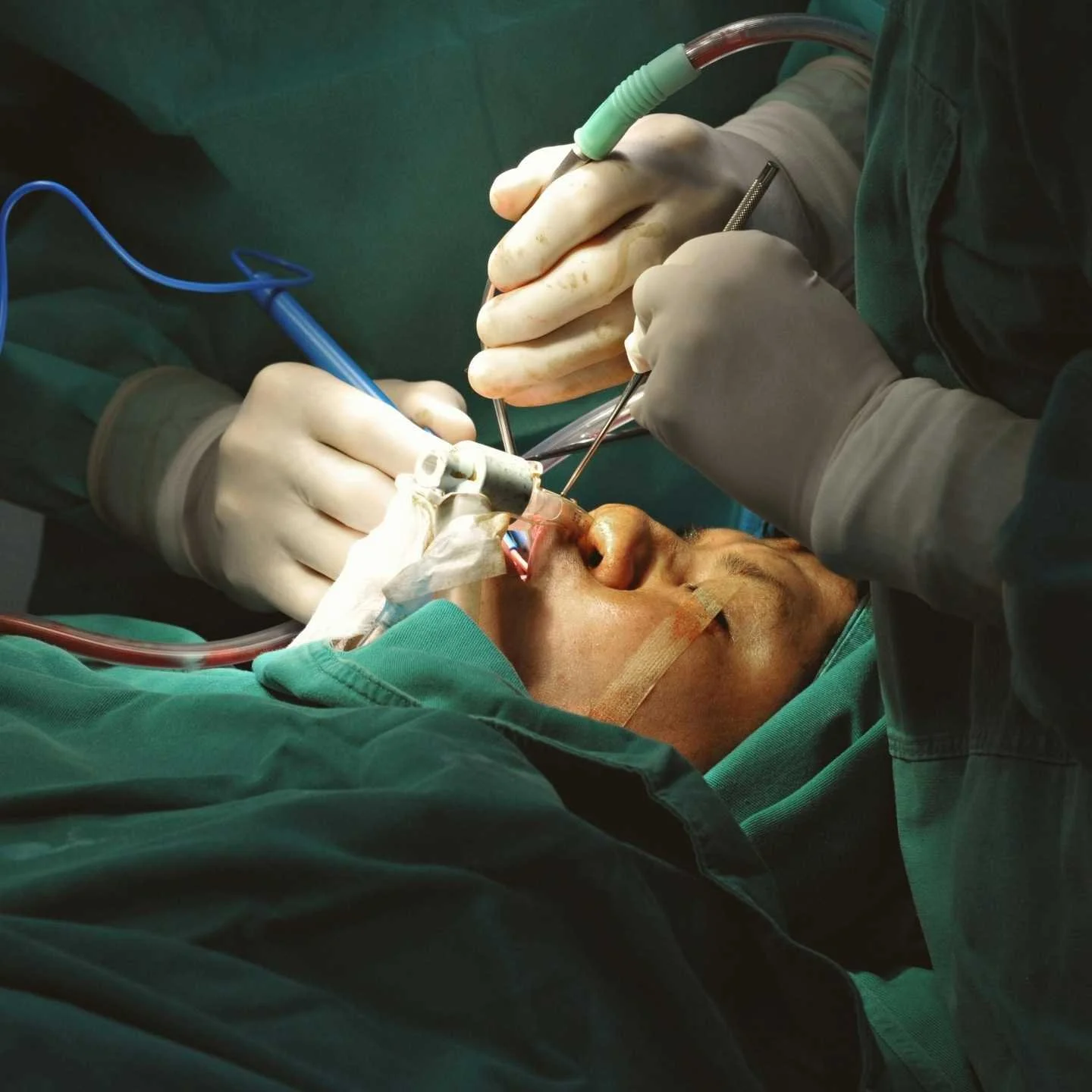
A face lift surgery is performed in an operating room with full surgical preparation. After intake, the patient meets the anesthesiologist and is placed under general anesthesia. This means the patient is completely asleep throughout the procedure.
The surgeon makes incisions around the ears and sometimes into the hairline. A scalpel is used to separate the skin from the deeper layers so the underlying tissues can be lifted and repositioned. Excess skin is removed, and the incisions are closed with sutures. These incisions create permanent scars, although they are intentionally placed along natural folds.
After surgery, the patient wakes up in recovery with dressings in place. Tightness, pressure, bruising, and swelling are normal. Healing takes weeks, and follow-up visits are required to monitor progress and remove sutures.
The image is a stock photo and is not an actual patient of the Godley Clinic.

Mini Face Lift
A mini face lift uses the same surgical principles but on a smaller scale. This procedure is often performed in a surgical office or clinic, depending on the surgeon, and usually involves local anesthesia with optional light sedation. Local anesthesia means the treated area is numbed while the patient remains awake.
The surgeon makes shorter incisions, usually tucked around the front of the ear. These smaller openings allow access to the tissues responsible for early jowling or mild laxity. A scalpel is still used, and the deeper tissues are lifted or secured with sutures before the skin is re-draped. Because less skin is removed and fewer areas are treated, the procedure is shorter.
Patients leave the clinic the same day. Swelling and bruising still occur, but recovery is noticeably shorter than a full face lift. Scars are present, although they tend to be smaller and easier to conceal. This option is still surgery, simply with a reduced scope.
The image is a stock photo and is not an actual patient of the Godley Clinic.
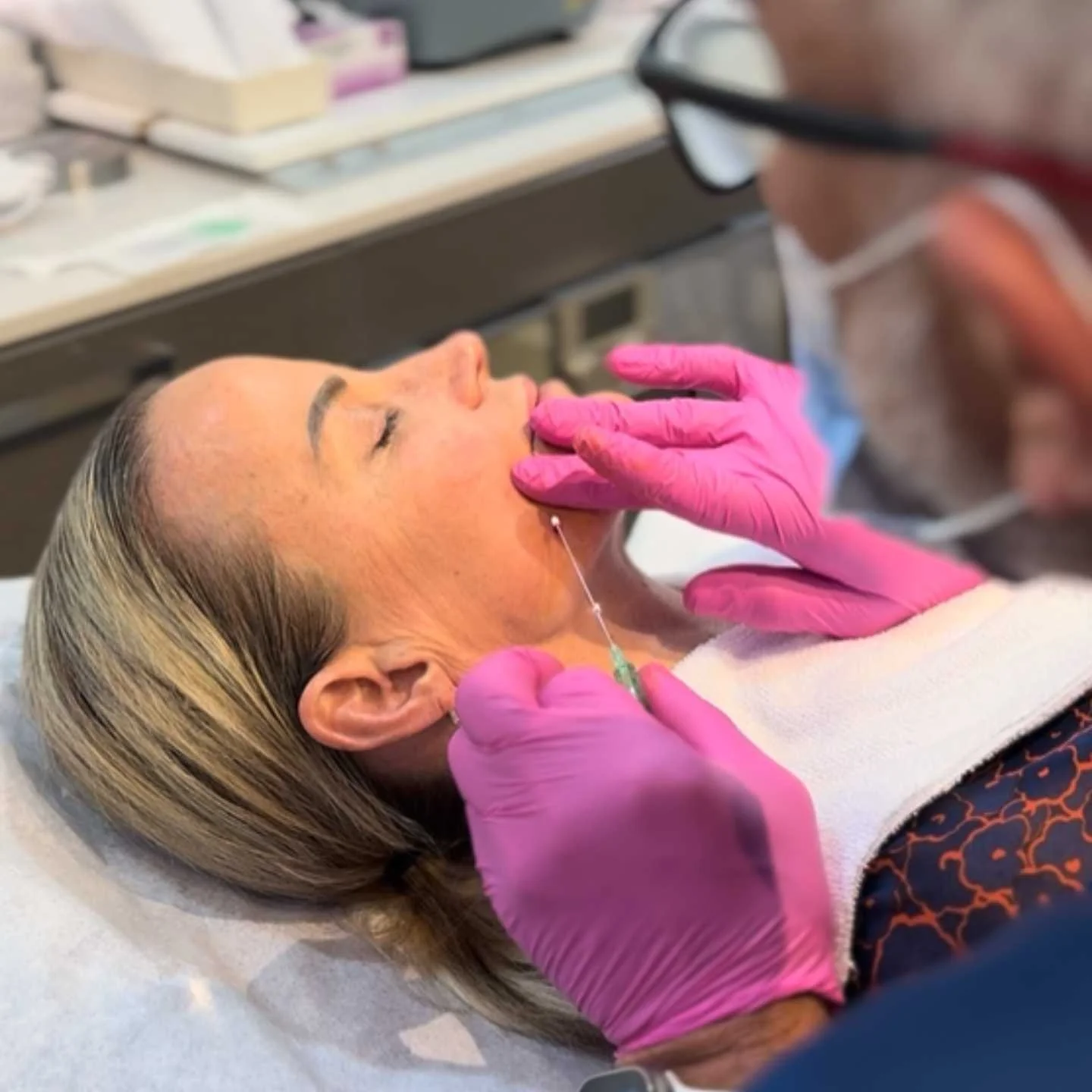
Face Thread Lift
A face thread lift is performed entirely in the clinic under local anesthesia only, with the patient fully awake. The skin is numbed with injections, and no scalpel is used.
Threads are introduced beneath the skin with a needle or blunt cannula. Once positioned, they are gently adjusted to create lift. There are no surgical incisions and no sutured wounds. Only small entry points remain, which close quickly and do not create visible scars.
Most patients return to daily routines within one to two days. Some temporary tightness is expected as the threads settle.
Actual patient of Godley Clinic
Dr. Godley’s Perspective
When patients ask me whether a mini face lift is worth it, I bring the conversation back to results and risk. After decades in operating rooms, I have seen how differently people age and how each level of intervention performs over time. My perspective comes from that experience, not from trends. The mini face lift has gained attention because social media has made the treatment seem approachable. I caution that hype should never be the reason to choose a surgery, even when the word “mini” is used to make it sound less intimidating.
A full face lift remains the most effective way to reposition deeper facial structures. It offers the most dramatic improvement, but it comes with the tradeoffs of anesthesia, larger incisions, longer recovery, and a higher overall commitment. It is appropriate when the aging changes are too significant for a smaller procedure to help.
A mini face lift, in contrast, sits in a difficult place. It is still surgery, with scars, swelling, and time away from regular activities, but it does not deliver the same degree of structural change as a full surgical lift. For some patients, that balance simply does not justify the risk. In my experience, many people choose the mini face lift expecting full face lift results with half the downtime, and that is not what the procedure provides. It is worth considering only when a patient understands the limitations clearly and accepts that the outcome is modest relative to the recovery and surgical commitment required.
A thread lift remains the lowest risk option. It does not involve cutting the skin or general anesthesia, and the recovery is brief. The improvement is lighter and temporary, but for early aging changes, or for patients who are not prepared for the realities of surgery, it can be the right option.

Thread lift (and botox) results
So is the middle ground worth it? For many patients, not necessarily. The mini face lift asks you to take on the responsibilities of surgery without offering the full structural benefits of one. If someone wants a real, long lasting change, I guide them toward a proper surgical lift. If they want minimal risk and minimal downtime, the thread lift is the better fit.
My role is to help patients choose an approach that respects both their goals and their safety. Anatomy, expectations, tolerance for recovery, and personal comfort all matter when deciding between these treatments. If you would like to review your options and determine which direction best supports your goals, I would be pleased to meet with you. You can book a consultation with me at the Godley Clinic in Vancouver or Abbotsford.
Pros and Cons at a Glance
Face Lift Surgery
Pros
• Strongest structural lift
• Addresses the midface, lower face, and neck
• Longer lasting than non surgical options
Cons
• Requires general anesthesia
• Recovery is several weeks, often 3 to 6 weeks depending on swelling and bruising
• Permanent surgical scars around the ears, often several centimetres depending on the incision pattern
• Changes in tissue tension may subtly affect expression
• Higher overall commitment in terms of healing and follow up care
Mini Face Lift
Pros
• Performed with local anesthesia (patient is awake but numbed)
• Shorter recovery compared with a full face lift, often 7 to 14 days
• Smaller incisions and scars, usually 1 to 3 centimetres around the front of the ear
Cons
• Still a surgical procedure with permanent scars
• Does not fully treat the neck
• Results are not permanent
• Some influence on expression is possible
• Swelling and bruising still occur, though less than a full face lift
Face Thread Lift
Pros
• Minimal downtime, often 24 to 72 hours
• No surgical incisions or surgical scars
• Performed in clinic with the patient awake under local anesthesia
• Natural movement is maintained
Cons
• Temporary results
• Lift is more subtle than surgery
• Not suitable for advanced laxity
• Mild tightness may affect expression briefly during the first 1 to 2 weeks